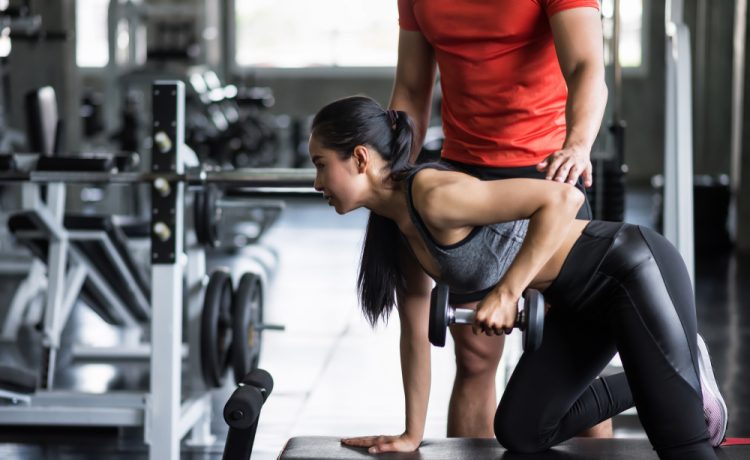
There is a deeply ingrained misconception in Singapore, and across much of Asia, that strength training is primarily for young men who want bigger muscles. This idea has kept countless people away from one of the most important and scientifically validated tools for healthy ageing. The truth is that strength training becomes more important, not less, once you cross the age of 40. And the gym environment where you do that training matters enormously to the quality and safety of your results.
If you are a Singaporean aged 40 or above and you are still not incorporating resistance training into your fitness routine, this article is for you. And if you are already training but unsure whether your current fitness gym Singapore is giving you what you actually need at this stage of life, read on.
What Happens to Your Body After 40
From around the age of 30, the human body begins to lose muscle mass at a rate of approximately 3 to 5 percent per decade. This process, known as sarcopenia, accelerates after 40 and becomes more pronounced after 60. What this means practically is that without deliberate intervention, your body becomes progressively weaker, less metabolically efficient, more prone to injury, and less capable of recovering from physical or medical setbacks.
Alongside muscle loss, bone density also declines. In women, this decline accelerates sharply after menopause due to the drop in oestrogen levels. Osteoporosis is a significant concern for Singaporean women over 50, and its consequences, fractures, long recovery periods, reduced mobility, and loss of independence, can be life-altering.
Balance and coordination also deteriorate with age, increasing the risk of falls. Falls are one of the leading causes of hospitalisation among older Singaporeans. What many people do not know is that most of these outcomes are not inevitable. They are significantly influenced by lifestyle choices, and strength training is among the most powerful of those choices.
How Strength Training Reverses Age-Related Decline
Resistance training, whether using free weights, machines, resistance bands, or bodyweight, applies mechanical load to your muscles and bones. The body responds to this load by rebuilding those tissues stronger. This is not a process exclusive to the young. Research consistently shows that adults in their 50s, 60s, and even 70s are capable of building meaningful muscle mass and improving strength through progressive resistance training.
For bone health, studies have shown that weight-bearing exercise stimulates bone formation and can measurably increase bone mineral density. This is particularly significant for postmenopausal women, where strength training has been shown to slow or partially reverse bone density loss.
For metabolic health, muscle tissue is metabolically active, meaning it burns calories even at rest. More muscle mass translates to a higher resting metabolic rate, which helps with weight management and reduces the risk of developing type 2 diabetes, a major health concern in Singapore’s ageing population.
For balance and coordination, compound strength exercises like squats, deadlifts, and lunges train the neuromuscular pathways that control movement and stability. Regular training in these patterns significantly reduces fall risk in older adults.
What Your Gym Should Be Offering You If You Are Over 40
Not all gyms are equally equipped to support the specific needs of mature exercisers. If you are over 40 and serious about getting real results from your training, here is what your gym membership should actually be providing.
Qualified and experienced personal trainers. Trainers who work with mature clients need to understand how to programme progressively without overloading joints that may have existing wear, old injuries, or reduced mobility. They should be able to conduct a proper movement assessment and design a programme that builds strength safely. General fitness certification is a baseline. Look for trainers with additional specialisations in corrective exercise, functional movement, or training older adults.
A wide variety of equipment. Mature exercisers often need more flexibility in how they load their body. Free weights are essential, but access to cable machines, resistance machines, functional training rigs, and recovery tools like foam rollers and stretching areas is equally important. A gym that offers only basic equipment is limiting your options unnecessarily.
Group classes suitable for different intensity levels. Many adults over 40 thrive in group class environments but need access to classes that are not purely high-impact. Yoga, Pilates, low-impact HIIT, aqua fitness, and functional strength classes are all highly beneficial for this demographic. A premium gym should have a timetable that serves multiple fitness levels and age groups, not just young, high-intensity enthusiasts.
Clean and well-maintained facilities. Recovery becomes a more important part of training as you age. Access to steam rooms, stretching areas, and hydrotherapy facilities can meaningfully support recovery between sessions. Cleanliness and maintenance standards matter more than ever when you are training in a space regularly.
Nutrition and lifestyle guidance. Strength training results after 40 are heavily influenced by protein intake, sleep quality, and hormonal health. A gym that connects members with nutrition advice, or that partners with health and wellness professionals, provides a more complete service that supports the outcomes you are actually training for.
The Role of Progressive Overload in Mature Training
Progressive overload is the foundational principle of strength training: gradually increasing the challenge placed on the body over time to continue driving adaptation. For adults over 40, this principle still applies, but the implementation needs to be more thoughtful.
Recovery takes longer as you age. Connective tissue, meaning tendons and ligaments, adapts more slowly than muscle tissue. This means that while your muscles might feel ready to train again after 24 hours, your joints and tendons may need 48 to 72 hours. A well-designed programme for a mature exerciser builds in adequate recovery time between sessions targeting the same muscle groups, and does not sacrifice joint health for the sake of training volume.
Progressive overload for the over-40 exerciser might mean adding one repetition per set over two weeks, rather than adding weight every single session. It might mean improving the quality and depth of movement before increasing the load. It might mean adding an extra training day only after three consistent months at the current frequency. The principle remains the same. The application is simply more measured.
Hormones, Metabolism and the Argument for Lifting Heavy
Many Singaporeans over 40, particularly women, are hesitant to lift heavy weights out of fear of becoming too muscular or “bulky.” This concern is understandable but not physiologically realistic for most people, especially as oestrogen and testosterone levels decline with age.
What heavier resistance training actually does for mature adults is stimulate greater hormonal responses including growth hormone and testosterone release during and after training. These hormonal signals drive the muscle-building and fat-burning adaptations that lighter training simply cannot produce to the same degree. You will not accidentally become a bodybuilder by lifting weights that genuinely challenge you. What you will do is build the metabolic engine and physical resilience that keeps you functional, healthy, and independent for decades.
For women approaching or past menopause, lifting progressively heavier weights is one of the most effective tools available for managing weight gain, preserving bone density, and maintaining the physical capacity to live life fully.
How to Evaluate Whether Your Current Gym Is Right for You
If you are already a gym member and over 40, it is worth periodically reassessing whether your current facility is actually serving your needs. Ask yourself these questions honestly.
Does your gym have staff who genuinely understand age-appropriate training? Have you ever received a programme designed specifically for your age, goals, and physical condition, or have you simply been handed a generic plan? Is the equipment varied enough to allow you to train around discomfort or injury when needed? Does the class timetable include options that are appropriate for your intensity level and recovery capacity? Do you feel comfortable asking questions and getting knowledgeable answers?
If the answers are unsatisfying, it may be time to reassess. True Fitness Singapore is one example of a facility that positions itself as a full-service premium gym with structured programming, qualified trainers, and diverse class offerings that cater to members across different age groups and fitness levels.
FAQ
Q: Is it safe to start strength training at 50 or 60 with no prior experience?
A: Yes, it is not only safe but highly recommended, provided you begin with a proper assessment and qualified guidance. Starting with bodyweight movements and light resistance, focusing on technique before adding load, is the appropriate approach for beginners at any age. A good trainer will progress you gradually and safely based on your specific physical condition.
Q: How many days per week should someone over 40 be doing strength training?
A: Two to three sessions per week of full-body or split resistance training is generally ideal for most adults over 40. This allows adequate recovery time while providing sufficient stimulus for muscle and bone adaptation. More frequent training is possible once your body has adapted over several months, but quality and recovery should always take priority over volume.
Q: Should I get a health check before starting strength training?
A: If you have not exercised regularly for an extended period, are managing any chronic conditions such as hypertension, diabetes, or heart disease, or are over 45, it is sensible to consult your GP before beginning a new structured training programme. Most conditions do not prevent you from training, but they may influence how your programme is designed.
Q: Can strength training help with joint pain from arthritis?
A: In many cases, yes. Strengthening the muscles around arthritic joints reduces the load those joints carry during daily movement, which can meaningfully reduce pain and improve function. However, training should be designed around your specific joints and condition, and guided by a trainer experienced in working with clients who have musculoskeletal issues.
Q: What is the difference between functional training and traditional strength training for older adults?
A: Traditional strength training focuses on isolated or compound muscle movements with progressive load, typically using weights. Functional training emphasises movements that mimic real-life activities, such as getting up from a chair, carrying groceries, or climbing stairs, often using bodyweight, cables, or light resistance. Both have value for older adults, and the best programmes typically incorporate elements of each.